
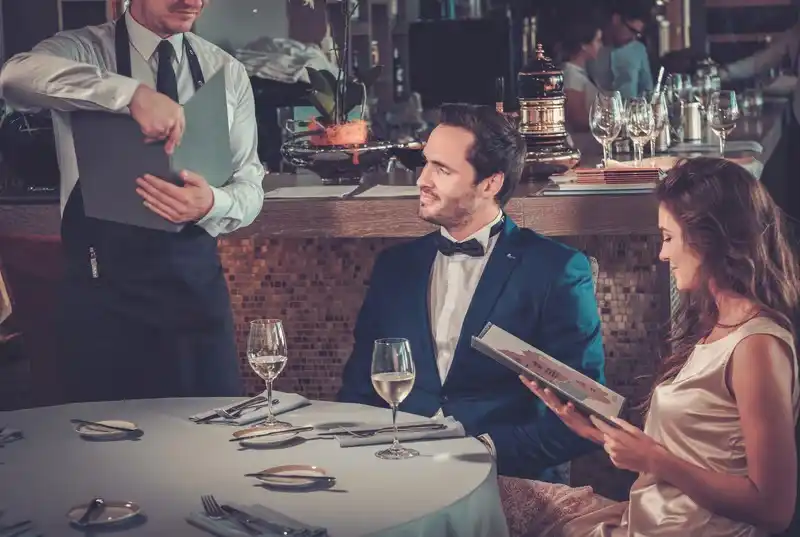
Fine dining can feel intimidating, especially for those who do not regularly visit upscale restaurants. Multiple utensils, formal service styles, strict dress codes, and unfamiliar dining customs often create uncertainty. Many guests worry about making mistakes or violating unspoken rules. The reality is that fine dining etiquette is not about showing superiority or memorizing dozens of complicated rules. Its primary purpose is to create a comfortable, respectful, and enjoyable experience for everyone at the table. Understanding proper dining behavior allows guests to focus on conversation, food, and hospitality rather than worrying about what to do next. Whether attending a business dinner, celebrating a special occasion, entertaining clients, or simply exploring a new culinary experience, learning fine dining etiquette can improve confidence and help create positive impressions. This guide explains the principles, expectations, and practical strategies that make navigating formal dining settings much easier.
The Purpose of Etiquette in Fine Dining
Many people view etiquette as a collection of rigid rules. In reality, etiquette exists to make social interactions smoother and more comfortable. Fine dining etiquette serves the same purpose. It creates a framework that helps guests, hosts, and restaurant staff interact respectfully and efficiently.
Proper dining behavior minimizes disruptions and allows everyone to enjoy the meal. When guests understand how service works, when to use utensils, and how to interact with staff, the dining experience becomes more seamless.
Etiquette also demonstrates respect. Respect extends beyond fellow diners and includes chefs, servers, hosts, and restaurant staff who work to create a memorable experience. Small gestures such as acknowledging service staff politely or following restaurant protocols contribute to a positive atmosphere.
Cultural influences play an important role as well. Fine dining traditions vary around the world. What is considered appropriate in one country may be unusual in another. Understanding this helps diners remain flexible and open-minded when visiting different establishments.
Perhaps the most important principle is that etiquette should support confidence rather than create anxiety. The goal is not perfection. It is awareness, consideration, and respect.
Preparing for a Fine Dining Experience Before Arrival
Understanding the Restaurant Environment
Successful dining experiences often begin before arriving at the restaurant. Researching the venue helps eliminate uncertainty and prepares guests for expectations.
Restaurant websites frequently provide valuable information regarding dress codes, reservation policies, menu styles, and dining concepts. Understanding whether the restaurant offers traditional fine dining, tasting menus, chef-driven experiences, or modern luxury dining helps guests prepare appropriately.
Some establishments maintain formal traditions, while others embrace a more relaxed approach. Knowing the difference prevents unnecessary confusion.
Choosing Appropriate Attire
Appearance contributes to the dining atmosphere. While dress codes have become more flexible in recent years, fine dining establishments generally expect guests to present themselves professionally.
Business casual, cocktail attire, or formal wear may be appropriate depending on the venue. Clean, well-fitted clothing typically performs better than overly casual options.
One common mistake is assuming that expensive clothing automatically meets dress expectations. In reality, appropriateness matters more than cost. Dressing in a manner that aligns with the restaurant environment demonstrates respect for the occasion.
Planning for a Smooth Arrival
Punctuality remains an important aspect of fine dining etiquette. Arriving on time allows the restaurant to manage reservations effectively and avoids inconveniencing other guests.
If delays are unavoidable, notifying the restaurant demonstrates courtesy and professionalism.
Guests with dietary restrictions, allergies, or special requests should communicate those needs in advance whenever possible. Early communication allows the restaurant to accommodate requests more effectively and ensures a smoother experience.
Navigating Seating and Table Arrangements
The arrival process often sets the tone for the rest of the meal. Upon entering the restaurant, guests should wait for guidance from the host rather than selecting seats independently.
In formal settings, seating arrangements may be predetermined. Hosts or restaurant staff often direct guests to their assigned places. Following these instructions helps maintain organization and avoids confusion.
When seated, guests should avoid rearranging table settings unnecessarily. Formal place settings are carefully arranged to correspond with meal service.
Personal space is another important consideration. Fine dining environments typically emphasize comfort and elegance. Respecting neighboring guests and maintaining awareness of surroundings contributes to a pleasant atmosphere.
If attending as part of a hosted event, guests should generally wait until the host is seated before taking their own seats.
These small actions communicate professionalism and social awareness.
Fine Dining Etiquette for Table Settings and Utensils
Reading a Formal Place Setting
One of the most intimidating aspects of fine dining is the complex arrangement of utensils and glassware. Fortunately, understanding the basic system simplifies the experience considerably.
The general rule is simple: work from the outside inward. Utensils are arranged according to the order in which they will be used.
Outer utensils correspond to earlier courses, while utensils closer to the plate are reserved for later courses. Glassware is typically positioned above and to the right of the plate.
Understanding this principle eliminates much of the uncertainty associated with formal place settings.
Proper Napkin Usage
Once seated, guests should place the napkin on their lap after everyone has been seated or after the host initiates the action.
The napkin should remain on the lap throughout the meal. If temporarily leaving the table, placing the napkin neatly on the chair is generally acceptable. At the end of the meal, it should be placed loosely beside the plate rather than folded precisely.
Napkins are intended for discreet use. They help maintain cleanliness without drawing attention.
Handling Utensils Correctly
Utensils serve not only practical purposes but also communicate information to restaurant staff.
When pausing during a course, utensils are generally placed on the plate in a resting position. When finished, utensils are positioned together to indicate completion.
These signals help servers understand whether a course is complete without interrupting guests unnecessarily.
Confidence comes from understanding the purpose behind these practices rather than memorizing rigid rules.
Ordering Food and Interacting With Service Staff
Fine dining etiquette extends beyond table manners. Communication with restaurant staff is equally important.
Servers in fine dining establishments often possess extensive knowledge of menu items, ingredients, preparation methods, and beverage pairings. Guests should feel comfortable asking questions respectfully.
Clear communication helps avoid misunderstandings while demonstrating appreciation for staff expertise.
When requesting modifications, politeness is essential. Some adjustments may be possible, while others may conflict with the chef’s intended presentation. Respectful requests are generally received more positively than demands.
Wine service often introduces additional opportunities for interaction. Guests unfamiliar with wine selections should not hesitate to seek recommendations. Experienced servers and sommeliers are trained to assist diners in making informed choices.
Treating service staff with courtesy creates a better experience for everyone involved and reflects strong dining etiquette.
Dining Behavior During the Meal
Maintaining Good Table Manners
Good table manners contribute significantly to the overall dining experience. Proper posture, moderate pace, and controlled movements help create an atmosphere of refinement.
Guests should sit comfortably upright rather than leaning excessively over the table. Elbows generally remain off the table during active dining, though resting forearms between courses is often acceptable in modern settings.
Eating slowly and matching the pace of fellow diners helps maintain group cohesion. Rushing through courses can disrupt the dining rhythm.
Awareness of personal habits is equally important. Loud chewing, excessive gestures, and distracting behaviors draw unnecessary attention.
Managing Conversation Effectively
Conversation is a central component of fine dining. Thoughtful discussion enhances the experience and encourages meaningful connections.
Inclusive conversations help ensure all guests feel comfortable participating. Dominating discussions or constantly redirecting attention toward oneself can create imbalance.
Professional dinners require additional sensitivity. Business topics may arise naturally, but maintaining an appropriate tone remains important.
Controversial subjects such as politics, religion, and personal conflicts are often best avoided unless the context specifically supports those discussions.
Successful dining conversations create engagement without overshadowing the meal itself.
Handling Food and Beverages Gracefully
Fine dining often involves unfamiliar dishes and presentation styles. Guests should approach these experiences with curiosity and composure.
Observing service cues can help when uncertainty arises. Watching how others interact with a course often provides useful guidance.
When beverages are served, moderation remains important. Excessive consumption can undermine otherwise excellent etiquette.
Confidence is often less about knowing every rule and more about responding thoughtfully and respectfully to new situations.
Etiquette for Multi-Course Dining Experiences
Multi-course meals represent one of the defining characteristics of fine dining. These experiences often follow carefully designed sequences intended to showcase flavors, textures, and culinary techniques.
Understanding the flow of service helps guests feel more comfortable. Courses are typically presented in a specific order, with each dish building upon the previous one.
Patience plays an important role. Fine dining emphasizes pacing rather than speed. Guests should avoid rushing service or expressing frustration when courses arrive gradually.
Tasting menus often require additional flexibility. These experiences are designed to be enjoyed as complete culinary journeys rather than individual dishes.
Respecting the intended pacing allows guests to appreciate the chef’s vision fully.
The ability to adapt to the rhythm of service is a hallmark of strong fine dining etiquette.
Common Fine Dining Mistakes and How to Avoid Them
Table Etiquette Errors
Many common mistakes stem from uncertainty rather than intentional misconduct. Using the wrong utensil occasionally is rarely a serious issue.
More disruptive behaviors include placing personal items on the table, reaching across other guests, or interrupting service unnecessarily.
Awareness and observation often prevent these issues.
Social Etiquette Missteps
Mobile phones represent one of the most common etiquette challenges in modern dining environments.
Constant texting, answering calls, or photographing every course can distract both companions and neighboring diners. While occasional photos may be acceptable in some settings, excessive device use often diminishes the experience.
Social awareness remains essential. Fine dining should encourage engagement with people rather than screens.
Service-Related Mistakes
Disrespectful interactions with restaurant staff can quickly damage the atmosphere of a meal.
If problems arise, concerns should be addressed calmly and professionally. Most fine dining establishments are committed to resolving issues effectively when approached respectfully.
Patience and courtesy typically produce better outcomes than confrontation.
Special Situations in Formal Dining Settings
Certain dining situations require additional awareness.
Business dinners often involve balancing professional objectives with social interaction. Guests should remain attentive to both relationship-building and dining etiquette.
Formal celebrations such as weddings, anniversaries, and award ceremonies may include specific protocols established by hosts. Observing cues from organizers helps ensure appropriate participation.
Dining with international guests introduces cultural considerations. Customs regarding seating, toasting, utensils, and conversation may vary significantly.
Flexibility and respect become particularly valuable in these situations. Demonstrating interest in cultural traditions often creates stronger connections and more positive experiences.
Adaptability is one of the most useful dining skills a person can develop.
Modern Fine Dining Etiquette in Today’s Restaurant Culture
Fine dining has evolved significantly. Traditional rules still exist, but many restaurants now emphasize comfort and authenticity alongside formality.
Guests are no longer expected to memorize extensive etiquette manuals. Instead, modern fine dining focuses on creating exceptional experiences through thoughtful service and genuine hospitality.
Social media has introduced new considerations. Photographing food has become common, but discretion remains important. Guests should avoid disrupting service or inconveniencing others while capturing images.
Modern etiquette also recognizes diversity in dining styles, cultural backgrounds, and personal preferences. Flexibility often matters more than rigid adherence to outdated conventions.
The most successful diners balance respect for tradition with awareness of contemporary expectations.
This approach creates confidence while maintaining authenticity.
Conclusion
Fine dining etiquette is ultimately about respect, awareness, and consideration. It exists not to intimidate guests but to create an environment where everyone can enjoy exceptional food, meaningful conversation, and outstanding hospitality. Understanding restaurant protocols, table manners, service expectations, and social dynamics helps diners navigate formal settings with confidence. Preparation, observation, and courtesy are often more valuable than memorizing complex rules. As dining culture continues to evolve, the core principles remain unchanged. Respect for fellow guests, appreciation for restaurant staff, and thoughtful behavior contribute to memorable experiences. Whether attending a business dinner, celebrating a special occasion, or exploring a new culinary destination, strong fine dining etiquette allows guests to focus less on uncertainty and more on enjoying the experience itself.