
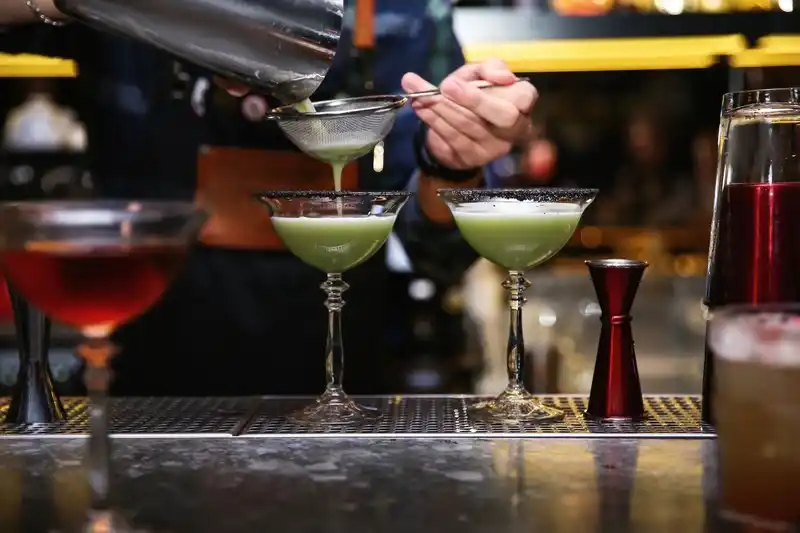
The world of cocktails has undergone a remarkable transformation over the last decade. What was once a simple combination of spirits and mixers has evolved into a sophisticated art form driven by creativity, sustainability, technology, and consumer demand for unique experiences. Today’s bartenders are not merely drink makers. They are storytellers, flavor architects, and innovators who continually push the boundaries of beverage culture.
As consumer preferences shift toward authenticity, quality ingredients, and memorable experiences, Craft Cocktail Trends continue to reshape bars, restaurants, and hospitality venues worldwide. From locally sourced botanicals and low-alcohol creations to advanced mixology techniques and sustainable practices, the modern cocktail scene reflects broader cultural changes that value craftsmanship and innovation.
Industry reports from recent years indicate that premium cocktails and experiential drinking have become major drivers of growth within the global hospitality sector. Consumers increasingly seek beverages that offer not only exceptional taste but also meaningful stories, visual appeal, and personalized experiences.
This article explores the most exciting Craft Cocktail Trends, examines how they influence beverage culture, and reveals what the future may hold for cocktail enthusiasts, bartenders, and hospitality professionals.
What Are Craft Cocktail Trends?
Craft Cocktail Trends refer to the evolving techniques, ingredients, presentation styles, and consumer preferences that shape the modern cocktail industry. These trends reflect changing attitudes toward drinking, sustainability, wellness, and culinary creativity.
Unlike traditional cocktails that often relied on standard recipes, contemporary craft cocktails emphasize innovation and attention to detail. Bartenders experiment with house-made syrups, infused spirits, rare ingredients, fermentation methods, and artistic garnishes to create drinks that stand out.
The rise of social media has also accelerated the popularity of Craft Cocktail Trends. Consumers now discover new beverages through visual platforms where presentation and storytelling play significant roles in influencing purchasing decisions.
At the heart of these trends is a commitment to quality. Whether it’s sourcing fresh ingredients from local farms or developing unique flavor combinations, the goal is to provide a memorable drinking experience that goes beyond the ordinary.
The Rise of Sustainable Mixology
Sustainability has become one of the most influential Craft Cocktail Trends in recent years. Consumers are increasingly aware of environmental issues and expect businesses to reduce waste and operate responsibly.
Modern bars are responding by adopting eco-friendly practices that minimize environmental impact while enhancing creativity. Citrus peels are transformed into syrups and garnishes. Fruit scraps become fermentation ingredients. Herbs are grown locally to reduce transportation emissions.
Many cocktail programs now focus on seasonal ingredients, which support local agriculture and reduce the carbon footprint associated with imported products. This approach not only benefits the environment but also allows bartenders to create menus that evolve throughout the year.
A notable example can be seen in leading cocktail bars across major cities where zero-waste initiatives have become part of the brand identity. Guests appreciate knowing that their drinks contribute to sustainable practices, making sustainability an essential component of modern Craft Cocktail Trends.
Low-Alcohol and Mindful Drinking Movements
Changing lifestyle habits have significantly influenced beverage culture. More consumers are embracing moderation without sacrificing flavor or social experiences.
One of the fastest-growing Craft Cocktail Trends involves low-alcohol and alcohol-free cocktails. These beverages offer sophisticated flavor profiles while allowing consumers to enjoy social settings with reduced alcohol consumption.
Modern bartenders are creating complex drinks using botanical distillates, herbal infusions, tea blends, and non-alcoholic spirits. The result is a category of beverages that appeal to health-conscious consumers seeking balance.
Research from hospitality industry studies shows increasing demand for mindful drinking options among younger demographics. Many consumers now prioritize wellness while still wanting premium beverage experiences.
This trend demonstrates how Craft Cocktail Trends continue to adapt to changing consumer values without compromising creativity or quality.
The Influence of Culinary Techniques on Cocktails
The line between kitchens and bars has become increasingly blurred. Culinary inspiration now plays a major role in shaping innovative cocktail menus.
Modern mixologists frequently incorporate techniques traditionally associated with fine dining. Sous-vide infusions, fermentation, dehydration, smoking, and molecular gastronomy have become valuable tools for creating unique drinks.
These culinary methods allow bartenders to develop complex flavor combinations that were previously difficult to achieve. Ingredients such as roasted vegetables, fermented fruits, exotic spices, and specialty herbs now appear regularly in contemporary cocktails.
As a result, Craft Cocktail Trends increasingly mirror developments in modern cuisine. Guests are no longer simply ordering beverages; they are participating in culinary experiences designed to engage multiple senses.
The growing connection between food and beverage culture continues to drive innovation across the hospitality industry.
Hyper-Local Ingredients and Regional Identity
Consumers today value authenticity more than ever. They want products that reflect local culture, regional traditions, and community identity.
This demand has contributed to one of the most fascinating Craft Cocktail Trends: the use of hyper-local ingredients. Bartenders are sourcing fruits, herbs, honey, flowers, and botanicals from nearby farms and producers to create cocktails that showcase regional flavors.
A cocktail made with locally harvested lavender or wild berries tells a story that imported ingredients often cannot. These connections create deeper engagement between consumers and the beverages they enjoy.
In many regions, local ingredients have become signature elements that distinguish one cocktail program from another. This emphasis on locality strengthens community relationships while enhancing the uniqueness of the guest experience.
As consumers continue to seek authenticity, hyper-local sourcing remains central to the evolution of Craft Cocktail Trends.
Technology’s Growing Role in Mixology
Technology is transforming nearly every industry, and mixology is no exception. Innovative tools and digital solutions are helping bartenders improve consistency, efficiency, and creativity.
Advanced equipment such as precision carbonation systems, rotary evaporators, and automated infusion devices allow bars to experiment with flavors on an entirely new level. These technologies make it possible to produce highly refined cocktails while maintaining quality standards.
Digital menu platforms also contribute to evolving Craft Cocktail Trends by helping guests learn about ingredients, preparation methods, and flavor profiles before placing orders.
Artificial intelligence and data analytics are beginning to influence menu development as well. Hospitality businesses can analyze consumer preferences to create beverages that align with emerging trends.
While technology supports innovation, successful bars continue to balance modern tools with the personal touch that defines great hospitality.
Visual Presentation and Social Media Appeal
A decade ago, flavor was often the primary focus of cocktail creation. Today, visual presentation plays an equally important role.
Consumers increasingly share dining and drinking experiences online, making aesthetics a powerful marketing tool. Consequently, visually striking beverages have become a major component of contemporary Craft Cocktail Trends.
Creative glassware, edible flowers, smoke effects, dramatic garnishes, and color-changing ingredients help create memorable presentations that encourage social sharing.
However, successful bartenders understand that appearance alone is not enough. The most effective cocktails combine visual appeal with exceptional flavor and storytelling.
When presentation and taste work together, the result is a beverage that resonates both online and in person.
The Return of Classic Cocktails with Modern Twists
Innovation often involves revisiting the past. One of the enduring Craft Cocktail Trends involves reimagining classic recipes through contemporary techniques and ingredients.
Cocktails such as the Old Fashioned, Martini, Manhattan, and Negroni continue to inspire bartenders worldwide. Instead of abandoning these classics, mixologists update them with unique bitters, infused spirits, house-made ingredients, and regional influences.
This approach allows guests to enjoy familiar flavors while discovering something new. It also bridges generations by connecting traditional cocktail culture with modern creativity.
The popularity of updated classics demonstrates that innovation does not always require completely new concepts. Sometimes the most compelling ideas emerge from refining and enhancing established favorites.
Experiential Drinking and Immersive Hospitality
Consumers increasingly seek experiences rather than products. This shift has significantly influenced modern beverage culture.
Many hospitality venues now design cocktail programs around storytelling, entertainment, and immersive experiences. Guests may encounter themed menus, interactive presentations, or cocktails inspired by local history and cultural narratives.
These experiences transform ordinary drinks into memorable events. As a result, experiential hospitality has become one of the most impactful Craft Cocktail Trends shaping the industry today.
For example, some venues present cocktails alongside curated soundscapes, visual elements, or educational narratives about ingredient origins. Such experiences create emotional connections that encourage repeat visits and customer loyalty.
The growing emphasis on immersion reflects broader consumer preferences for meaningful and memorable interactions.
How Consumer Preferences Continue to Shape the Industry
Understanding consumer behavior remains essential to predicting future Craft Cocktail Trends.
Today’s consumers value transparency, sustainability, personalization, and authenticity. They want to know where ingredients come from, how beverages are prepared, and what makes each cocktail unique.
Personalized cocktails are becoming increasingly popular as bartenders tailor drinks to individual preferences. This customization enhances customer satisfaction while creating distinctive experiences.
Generational shifts also influence beverage culture. Younger consumers often prioritize quality over quantity and show strong interest in wellness, sustainability, and social responsibility.
Industry experts predict that future innovations will continue to reflect these evolving priorities, making consumer preferences one of the strongest drivers of change in modern mixology.
The Future of Craft Cocktail Trends
The future of Craft Cocktail Trends appears exceptionally promising. Continued advances in technology, sustainability practices, ingredient sourcing, and beverage science will likely introduce new possibilities for creativity.
Artificial intelligence may assist with recipe development. Sustainable agriculture could expand access to unique ingredients. Scientific advancements may reveal new flavor combinations and preparation techniques.
At the same time, the core values of craftsmanship, authenticity, and hospitality will remain central to the cocktail experience. Consumers increasingly appreciate beverages that combine innovation with genuine human connection.
The most successful bars and beverage professionals will be those who balance experimentation with tradition while maintaining a strong focus on guest satisfaction.
As beverage culture continues to evolve, Craft Cocktail Trends will undoubtedly inspire exciting new developments that redefine how people experience cocktails around the world.
Conclusion
The modern cocktail industry is experiencing an extraordinary period of creativity and transformation. From sustainable practices and mindful drinking to advanced technology and immersive experiences, today’s Craft Cocktail Trends reflect broader cultural shifts toward quality, authenticity, and innovation.
These trends are reshaping how beverages are created, presented, and enjoyed. They demonstrate that cocktails are no longer simply drinks; they are expressions of culture, craftsmanship, and storytelling.
As consumers continue to seek meaningful experiences and premium products, Craft Cocktail Trends will remain at the forefront of hospitality innovation. Whether you are a cocktail enthusiast, hospitality professional, or curious observer, understanding these developments provides valuable insight into the future of beverage culture.
The journey of mixology is far from over. In fact, it may only be beginning.
Frequently Asked Questions
What are Craft Cocktail Trends?
Craft Cocktail Trends refer to evolving innovations in cocktail creation, ingredient sourcing, presentation, sustainability, and beverage culture. These trends reflect changing consumer preferences and hospitality practices. They often include premium ingredients, creative techniques, local sourcing, mindful drinking options, and immersive experiences designed to enhance both flavor and customer engagement.
Why is sustainability important in modern mixology?
Sustainability has become a major focus because consumers increasingly value environmentally responsible practices. Modern bars reduce waste through ingredient reuse, local sourcing, seasonal menus, and eco-friendly operations. These efforts support environmental goals while encouraging creativity and improving brand reputation within the competitive hospitality and beverage industry.
How does technology influence cocktail innovation?
Technology helps bartenders experiment with precision techniques such as carbonation, infusion, flavor extraction, and ingredient preservation. Advanced equipment improves consistency and efficiency while enabling creative experimentation. Digital tools also support menu development, customer engagement, and data-driven decision-making, making technology a valuable component of modern mixology.
What is driving the growth of low-alcohol cocktails?
Growing health awareness and mindful drinking habits are encouraging consumers to seek flavorful alternatives with reduced alcohol content. Low-alcohol cocktails allow people to enjoy social experiences while maintaining lifestyle goals. This trend reflects changing attitudes toward wellness, moderation, and balanced consumption without sacrificing quality or creativity.
What can we expect from future Craft Cocktail Trends?
Future Craft Cocktail Trends will likely focus on sustainability, personalization, advanced beverage science, artificial intelligence, and immersive guest experiences. Consumers will continue seeking authenticity, local ingredients, and meaningful storytelling. Innovation will remain important, but successful cocktail programs will also preserve the craftsmanship and hospitality that define exceptional drinking experiences.